The four routes at a glance
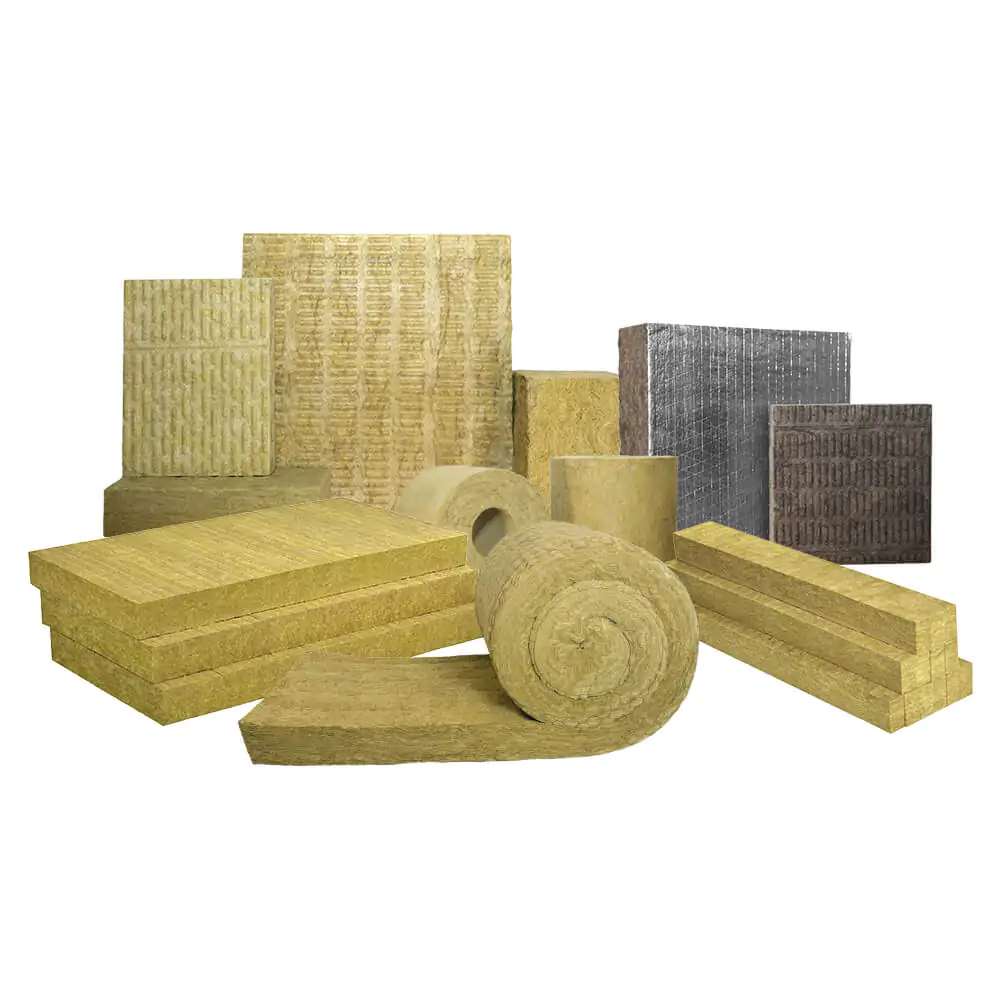
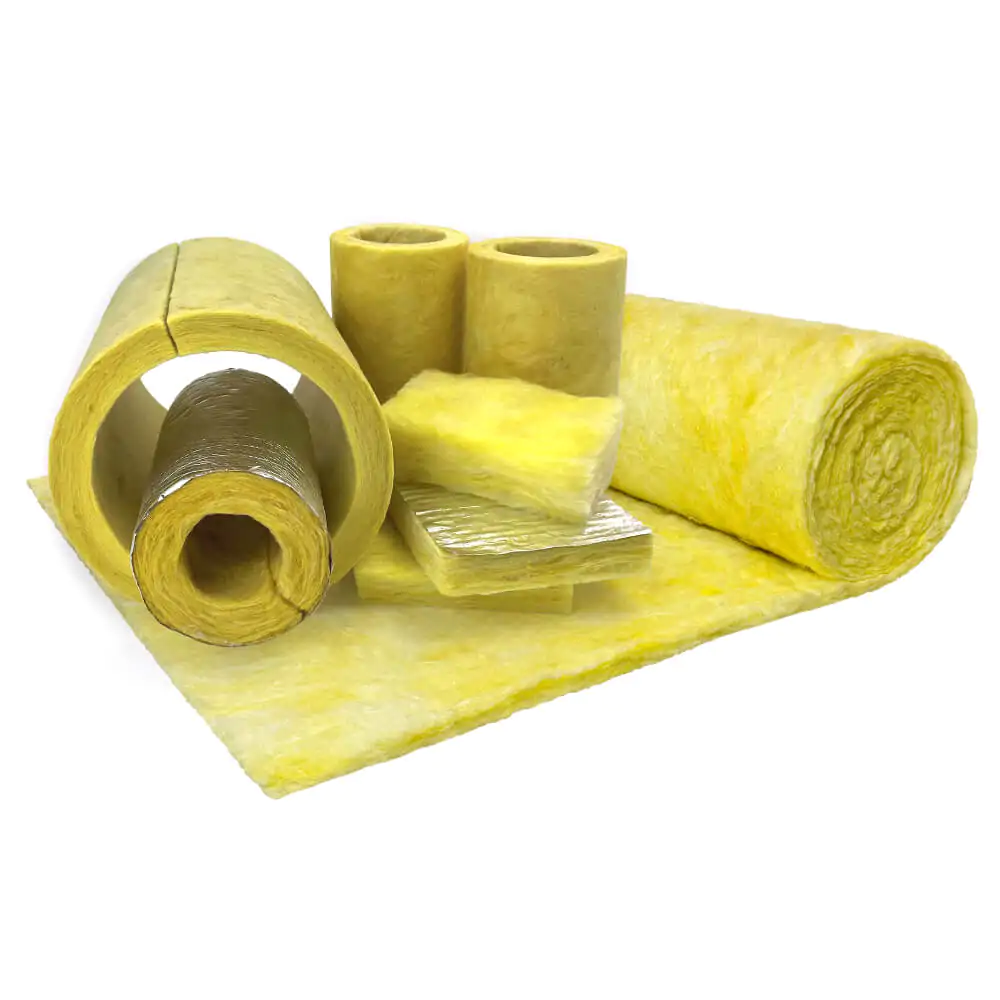
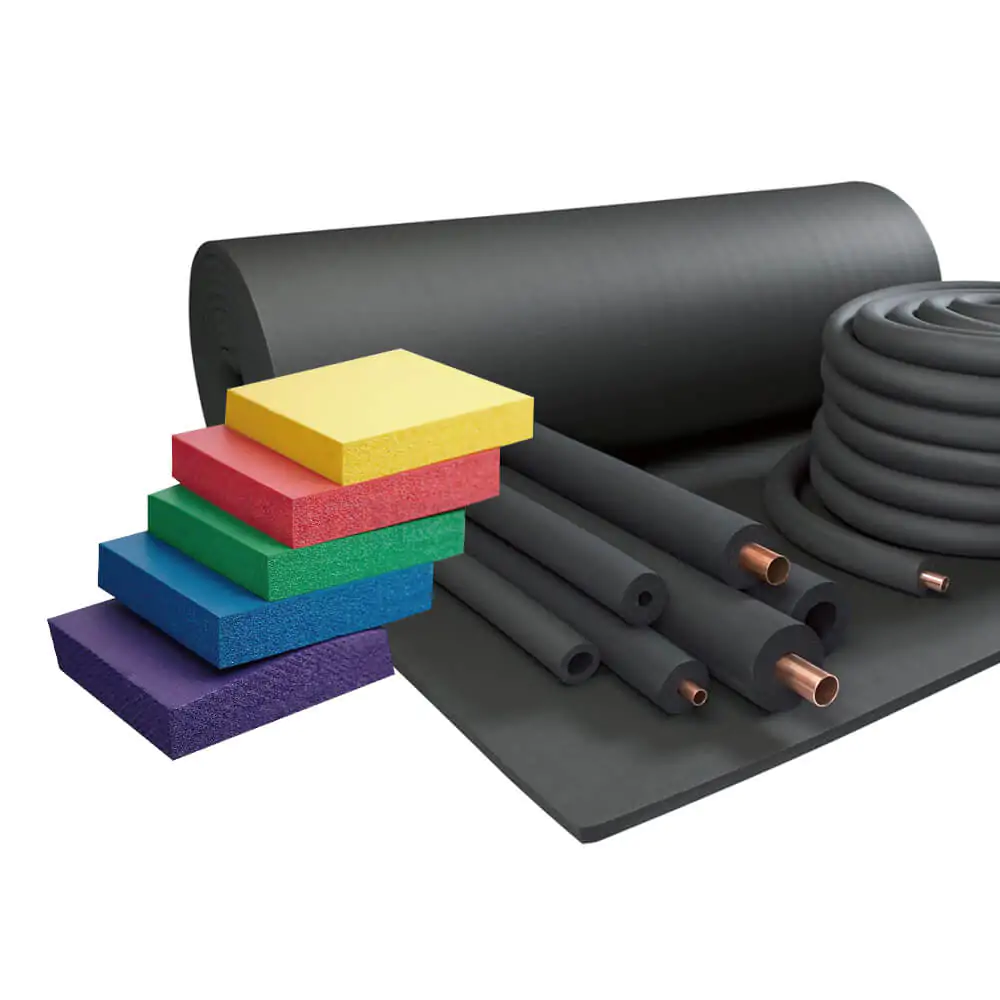
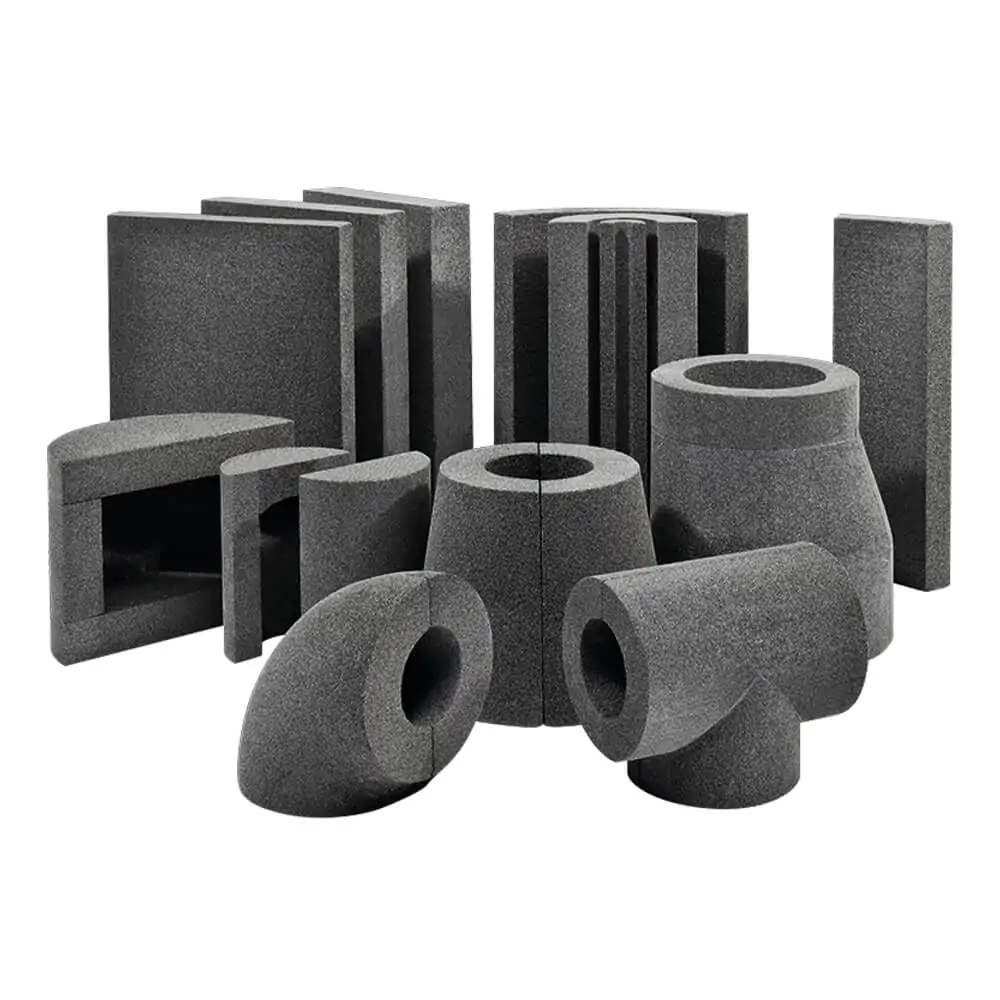
Rock wool is presented for building, industrial, fire-protection and acoustic assemblies, in boards, blankets, pipe sections and batts. Glass wool is presented for building envelopes, heating and cooling systems, mechanical systems and acoustic applications, in batts, blankets, boards and pipe sections. Rubber foam is presented for heating and cooling and chilled-water systems where flexible condensation control is required, in sheets, tubes, facings and custom colours. Cellular glass is presented for industrial and cold-service systems where moisture resistance is critical, in boards, pipe sections, gravel and custom shapes.
Those four summaries are the whole catalogue in miniature. Everything else on this site expands one of them: a route page for the applications, a form page for the shapes, a guide page for a selection question, or an enquiry check for the questions that remain. A buyer who can say which route and which form fit the job has already done the central work of choosing, and the rest of the catalogue exists to test that choice before the enquiry is written.
Choosing between routes
Routes are most often compared by application first and by form second. A building envelope question will usually point toward the wool routes, while a cold-service question will usually point toward cellular glass, and a chilled-water question will usually point toward rubber foam. Those are starting points for comparison, not decisions, because the form, the system and the site conditions can move a choice from one route to another. The selection guide and the comparison guide work through those moves in order, so that a buyer can see why a first instinct might change.
Form also matters across routes. Pipe sections appear in three routes, boards appear in three routes, and blankets and batts appear in two. A buyer who needs a pipe section therefore has a genuine cross-route choice, and the pipe guide compares those options by application rather than by route name alone. The same applies to boards and blankets. The catalogue is organised to make those cross-route comparisons easy, because they are the comparisons buyers actually face.
From routes to an enquiry
Once a route and a form are in view, the next step is the enquiry check for that line. The general checklist covers route, form, application, quantities and site conditions, together with questions on quantity terms, timing, trade terms, payment method and documents. The cellular glass checklist adds the series questions that apply to that line, including which model names are under discussion and what specification table values are being referenced. Both checklists end at the enquiry form, where the answers are put to the supplier in the buyer’s own words.
No page in this catalogue states quantity terms, timing or documents as settled facts, and no page turns an application reference into a completed job story. Those disciplines protect both sides of an enquiry: the buyer is not led to assume a term that was never confirmed, and the supplier is not asked to defend a claim the catalogue never made. The enquiry is where such matters are settled, for named items, in writing.
Certificates available upon request. Please confirm the minimum order quantity in your inquiry before placing an order. Please confirm the lead time with the supplier before placing an order. Please confirm the trade terms and payment method before confirming an order.